
LA Neighborhood Spotlights
How should you market a listing differently by LA neighborhood?
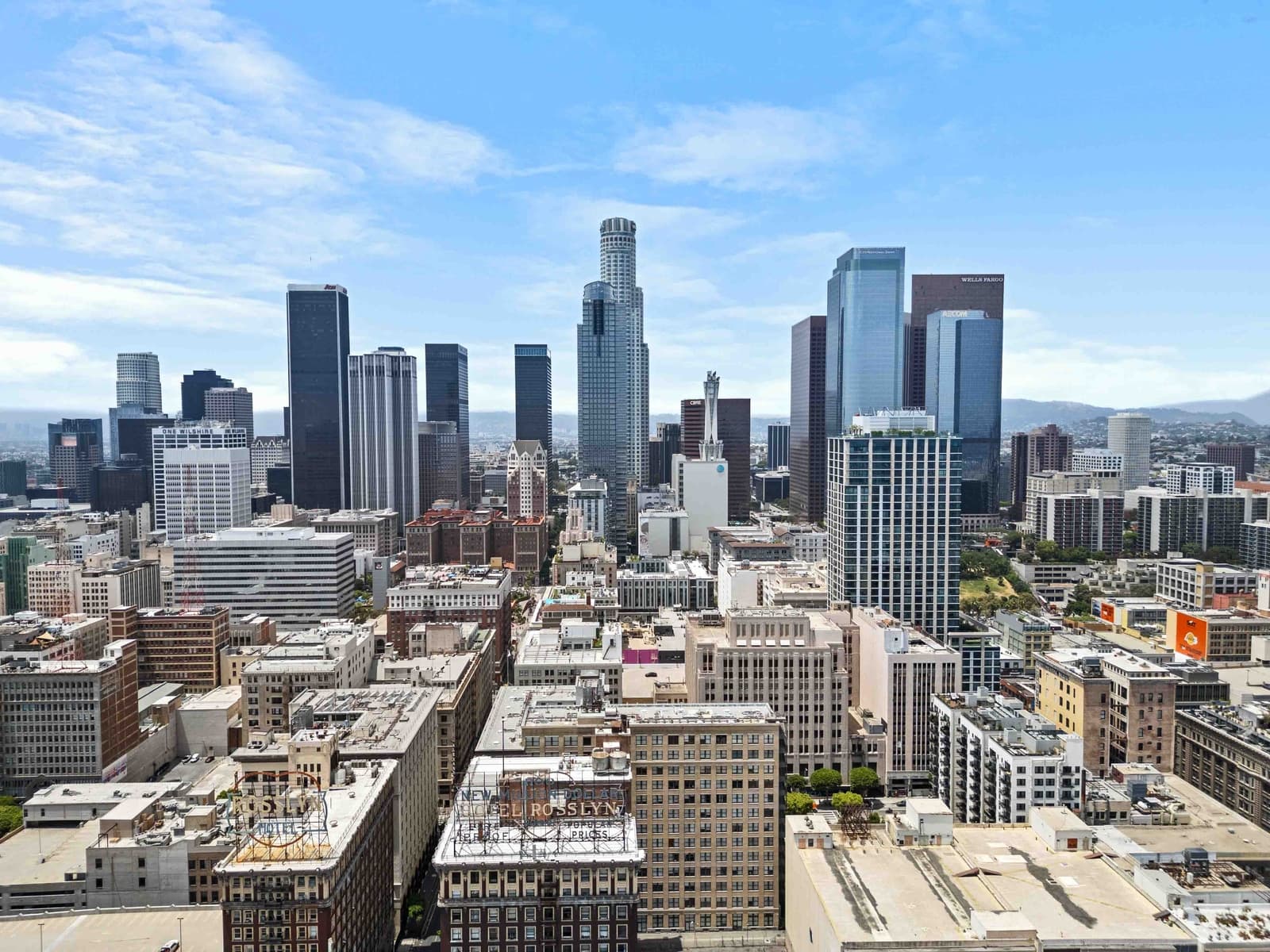
No. One shot list doesn't work across Los Angeles. Light, architecture and buyer psychology shift block by block, and your media has to shift with them. Beverly Hills estates sell on scale and privacy, so wide aerials and grand entries lead. Malibu is the ocean, full stop, and the coastline gets first frame. In Pasadena the craftsmanship-era detail is the sale itself, which puts trim and built-ins in their own shots, while Manhattan Beach runs on light and lifestyle, with late-afternoon sun and walkability carrying the gallery. One rule holds everywhere: shoot for how that buyer decides, and skip the generic template.
Below is the area-by-area playbook for the neighborhoods VVT covers across Greater LA. What to shoot, when to shoot it, and which deliverable earns its place.
Why doesn't the same shot list work everywhere in LA?
LA is really a dozen micro-markets stacked next to each other, each with its own light, architecture and buyer psychology. A Beverly Hills listing is competing for a buyer who has seen a hundred grand entries. A Silver Lake listing is competing for a buyer who wants the original 1920s tile untouched. The camera has to know which one it's talking to.
Light alone changes the plan. Malibu's coastal light runs flat and silver by midday, then turns gold about an hour before sunset. Shoot the wrong window and the ocean reads gray, which undersells the whole reason the home costs what it costs. Manhattan Beach has that same coastal light, but it's paired with a walk-to-everything lifestyle that needs a wider, more social frame than an estate ever does. Pasadena's tree canopy blocks direct sun for hours a day, which is exactly why its Craftsman interiors photograph best with patient, bounced light rather than a fast HDR pass.
Architecture changes the plan too. A gated Calabasas estate wants restraint and privacy in every frame: the gate, the hedge line, the sense that the buyer is being let in somewhere exclusive. A DTLA loft wants the opposite. Big glass, exposed structure, skyline as a feature, because that buyer is shopping for a very different life. Match the coverage to the buyer the neighborhood actually attracts, and the listing looks like it belongs there. Get it wrong and it reads like stock photography with a new address typed in.
What actually changes shoot to shoot?
- Time of day. Coastal light (Malibu, Manhattan Beach) is best in the two hours before sunset; hillside estates (Beverly Hills) often want a twilight exterior to sell scale and drama; tree-canopy neighborhoods (Pasadena, Silver Lake) shoot better on overcast days or mid-morning.
- Lead deliverable. Estates lead with aerial and twilight; coastal listings lead with the view and lifestyle stills; historic homes lead with architectural detail; condos and lofts lead with a 3D tour so buyers can feel the floor plan.
- What gets its own frame. Gated privacy in Calabasas, ocean sightlines in Malibu, original woodwork in Pasadena, walkability context in Manhattan Beach, skyline views in DTLA, architectural lines in Silver Lake.
- What buyers are actually shopping for. Square footage matters, but the real draw is the lifestyle the neighborhood promises. Media that shows that lifestyle beats media that only shows the rooms.
| Neighborhood | The buyer's real question | What should lead the gallery | Best shoot window |
|---|---|---|---|
| Beverly Hills | "Does this feel as grand as the price?" | Aerial establishing shot + twilight exterior | Golden hour / twilight |
| Malibu | "Can I actually see and hear the ocean?" | Ocean-facing stills + drone coastline shot | Last 2 hrs before sunset |
| Pasadena | "Is the original character intact?" | Architectural detail (trim, built-ins, windows) | Overcast or soft mid-morning |
| Calabasas | "How private and secure is this really?" | Gated entry + grounds, restrained interiors | Mid-morning, even light |
| Manhattan Beach | "What does life here look like on a Saturday?" | Bright lifestyle stills + walkable-street context | Late afternoon coastal light |
| DTLA | "Is the view and the building itself worth it?" | 3D tour + skyline-view frame | Any time; twilight for skyline |
| Silver Lake | "Does the architecture actually stand out?" | Exterior architectural lines + designed interiors | Soft morning or overcast |
Beverly Hills: how do you shoot an estate that has to feel worth the price?
Beverly Hills buyers are shopping scale, privacy and prestige, so the gallery has to establish grandeur in the first three frames. A wide aerial of the lot, the gates and the setting does more selling in one shot than a dozen interior stills. It answers "how much space and privacy am I actually buying" before the buyer reads a single spec.
Twilight exteriors matter more here than almost anywhere else in LA. An estate lit at dusk looks like a private resort. The same home shot flat at noon just looks like a big house. Keep interiors composed and uncluttered, because Beverly Hills buyers read minimal staging as confidence, not emptiness. Video and a 3D tour both earn their place on anything above the entry price point here, since these buyers self-qualify online long before they request a showing.
Go deeper on this exact scenario in our Bird Streets listing case study, and see full Beverly Hills service coverage on the Beverly Hills area page.
Malibu: how do you make the ocean the star of the listing?
In Malibu the ocean does most of the selling, so the camera's first job is proving the view is real and the light is right. Shoot ocean-facing rooms in the last two hours before sunset whenever you can. Flat midday light turns the Pacific gray and buries the single biggest reason the home costs what it costs.
Aerial coverage is close to mandatory here. A drone shot that traces the coastline and shows the property's relationship to the beach or bluff answers a question stills can't. Keep interior sightlines to the water clear too. Furniture, plants and staging that block a window view actively cost the listing money in a market where the view is the product.
See full Malibu coverage and packages on the Malibu area page.
Pasadena: how do you shoot a historic home without losing its character?
Pasadena buyers are often shopping for period character: Craftsman woodwork, original built-ins, leaded glass. So the gallery needs dedicated detail shots, not just wide room shots. A living room photo that captures the whole space but blurs past the original mantle and trim misses the exact thing that buyer is paying a premium for.
Light is the technical challenge. Mature tree canopy blocks direct sun for much of the day, so overcast conditions or a patient mid-morning window (rather than a rushed midday HDR pass) usually produce the truest color on original wood tones. And about 80% of sellers interview only one agent before signing (NAR 2025) NAR · 2025. A Pasadena listing that visibly understands the architecture, instead of shooting it like a generic tract home, signals the kind of expertise that earns that one call.
See full Pasadena coverage on the Pasadena area page.
Calabasas: how do you shoot a gated estate that feels private without feeling closed off?
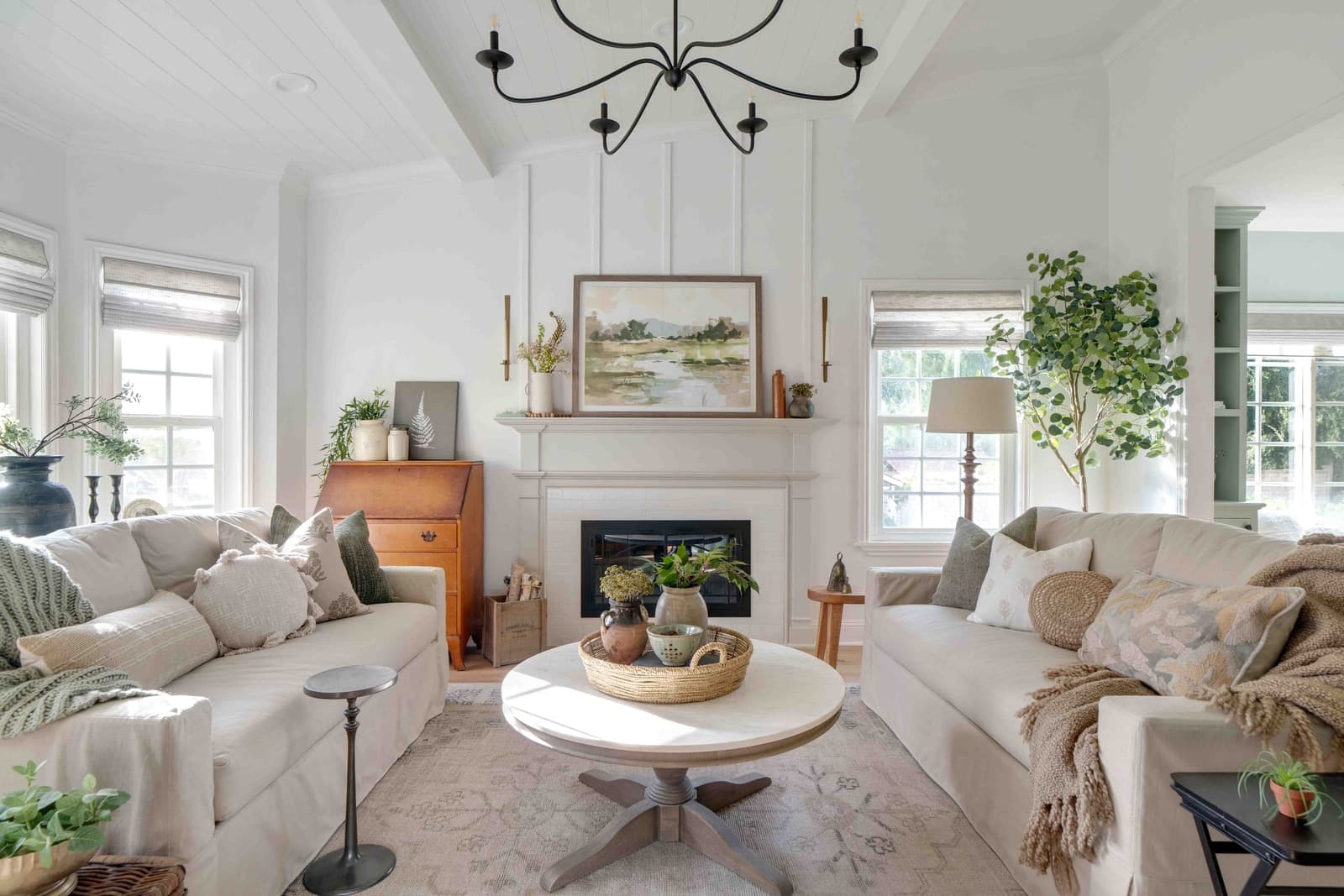
Calabasas buyers want privacy and security signaled clearly, but a gallery that only shows walls and gates can read cold instead of exclusive. The fix is sequencing. Open with the gated entry and grounds to establish security, then move into warm, restrained interiors that show the home is a family estate, not a fortress.
Grounds and outdoor living space deserve real coverage in this market. Pools, motor courts, guest houses and privacy landscaping are often as much a part of the sale as square footage. A 3D tour helps here too. Out-of-area and relocating buyers (common in gated communities) can walk every room at any hour before they ever request an in-person showing, so the ones who do book arrive already familiar with the home.
See full Calabasas coverage on the Calabasas area page.
Manhattan Beach: how do you sell the lifestyle along with the house?
Manhattan Beach buyers shop a lifestyle first and a floor plan second, so the gallery needs to feel like a Saturday there rather than a real estate showing. Bright natural light, open doors to a patio, a glimpse of the Strand or the walkable village. Those context shots sell as hard as the kitchen does.
Coastal late-afternoon light is the sweet spot. It's warm without the harsh contrast of full midday sun, and it flatters the white and light-toned exteriors common here. Most buyers now start their home search online, according to the National Association of Realtors (NAR), and staging measurably helps buyers picture living somewhere. In fact 83% of buyers' agents say staging makes it easier for buyers to picture a home (NAR 2025 Profile of Home Staging) NAR · 2025. So a Manhattan Beach gallery with lived-in warmth (real or virtually staged) consistently beats one that shows only empty, technically-correct rooms.
See full Manhattan Beach coverage on the Manhattan Beach area page.
DTLA: how do you shoot a condo or loft that competes on view and building?
Downtown LA buyers are often comparing units in the same building or a handful of nearby towers, so the listing has to answer two questions fast. How does this floor plan actually flow, and is the view worth the HOA. A 3D tour solves the first one better than any number of still photos. Buyers walk the layout at any hour and self-qualify before a showing, the always-open-house effect that means the buyers who do request a showing arrive already sold on the floor plan.
For the view, twilight is often the single strongest frame in a DTLA gallery. Skyline lights read as premium in a way daytime views rarely match. Only about 1 in 5 agents market with listing video (NAR), so even a short cinematic walkthrough of a DTLA unit is an easy way to stand out in a crowded building's resale market.
See full DTLA coverage on the DTLA area page.
Silver Lake: how do you shoot a home known for its architecture?
Silver Lake buyers tend to be architecture-literate. They know the difference between a real mid-century line and a flip-house imitation, so the exterior shot has to respect the building's actual design intent instead of forcing a generic "curb appeal" angle. Shoot the lines the architect drew: rooflines, window bands, material transitions.
Lean interiors into designed, intentional styling over generic staging. Buyers here are shopping for a point of view as much as square footage. Soft morning light or an overcast day usually reads truer on the concrete, wood and glass common in this market than harsh midday sun does. Video works well here too. A short walkthrough that lingers on architectural transitions often reads the home's character better than stills alone.
See full Silver Lake coverage on the Silver Lake area page.
What's the one rule that applies across every LA neighborhood?
Shoot for how that specific buyer decides. Skip the one-size-fits-all checklist. The tools are the same everywhere (photography, video, aerial, 3D, staging), but the sequencing, the light and the lead shot should change with the market. A studio that shoots Beverly Hills and DTLA the same way is leaving money on the table in both.
That's also why standard photo packages in LA typically run about $150–$400, with fuller media bundles priced higher. The extra services (aerial for an estate, a 3D tour for a condo, a twilight exterior for a coastal home) earn their line on the invoice because each is the specific tool that neighborhood's buyer actually responds to.
See every LA area VVT covers, with local notes for each, on the Areas we serve page.
Frequently asked questions
Do different LA neighborhoods really need different photography approaches?
Yes. Light, architecture and buyer psychology all shift by neighborhood. Coastal areas like Malibu and Manhattan Beach need late-day light and ocean or lifestyle framing. Hillside estates like Beverly Hills lean on aerial and twilight to establish scale. Historic areas like Pasadena need dedicated detail shots of original woodwork and built-ins. The right shot list matches the buyer that specific market attracts.
What's the best time of day to shoot a Malibu or Manhattan Beach listing?
The two hours before sunset are usually best for coastal listings. The light is warm rather than flat, and ocean views read blue and inviting instead of gray. Midday sun tends to wash out coastal color and can make the water look duller than it does in person.
Should every listing get a 3D tour, or only certain neighborhoods?
A 3D tour helps almost any listing, but it earns its place fastest on gated estates, condos and lofts where out-of-area or relocating buyers need to self-qualify a layout before requesting a showing. A 3D/Matterport tour lets those buyers walk every room at any hour, so the ones who request a showing arrive already familiar with the home.
Does Virtual View Tours shoot in all of these LA neighborhoods?
Yes. Virtual View Tours serves agents across Greater Los Angeles, including Beverly Hills, Malibu, Pasadena, Calabasas, Manhattan Beach, Downtown LA and Silver Lake, plus the rest of the LA metro. Check the Areas page or ask when you book if you're unsure your listing is covered.
How much more does neighborhood-specific coverage (aerial, twilight, 3D) cost?
Standard real estate photo packages in Los Angeles typically run about $150–$400. Full media bundles that add video, aerial, 3D or twilight are priced higher based on the home's size and the services selected. Enter the address on the VVT booking page and book your shoot online in minutes.
Shot for your neighborhood
Get the shot list built for your listing's market.
Tell us the address and VVT brings the right mix (aerial, twilight, 3D, staging) for how that neighborhood's buyers actually decide.
Book your LA shoot →