
LA Neighborhood Spotlights
How to market a Bird Streets listing: light & lifestyle
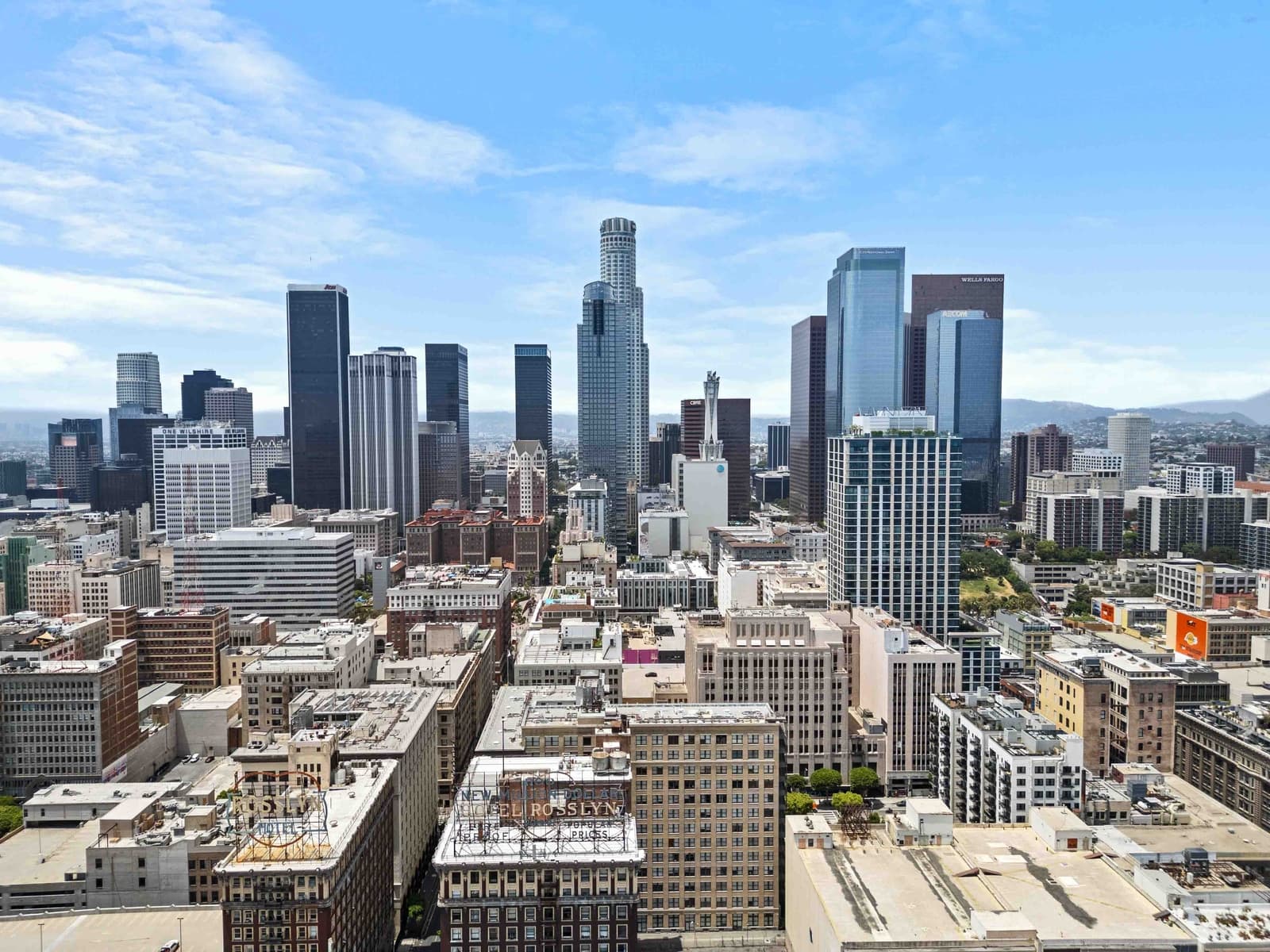
A Bird Streets listing sells on one thing above all: the jetliner view. Everything in the shoot plan should serve that view instead of fighting it. Shoot the city-light frame at true twilight (that 15–20 minute window after sunset when the sky still holds color and the lights are on, not dusk and not full dark), lead the gallery with a drone shot that shows the home's perch above the city, and treat the indoor-outdoor glass wall as the most important frame in the house. Skip a real twilight shot and you're just selling a house, when the view is the thing everyone in LA is actually paying for.
What sells a Bird Streets or Hollywood Hills view listing?
The view sells the listing. The square footage, the finishes, even the pool all come second. Bird Streets buyers are paying a premium for one thing: the jetliner sightline from Downtown to the ocean. So every decision in the shoot plan answers a single question. Does this frame make the view feel real, or does it get in the way of it?
That reframes the whole shot list. A kitchen island matters less here than the sliding glass wall behind it, and a bedroom gets judged less on its square footage than on whether the shot proves you can see the skyline from the bed. Buyers scrolling a Bird Streets listing on their phone are pattern-matching for one thing ("is this the view I've seen from three other listings, or a better one?"), and the gallery has about two frames to answer that.
What's actually different about shooting this pocket of the Hollywood Hills?
- The view is the product. Interior staging and finishes take a back seat to proving the sightline, the width and the clarity of the city view from the home's main living spaces.
- Lots are narrow and vertical. Bird Streets homes are often stacked on a hillside with tight setbacks, which makes drone coverage the only way to show how the property actually sits against the street, the hill and the skyline below it.
- Glass walls do the heavy lifting. Most Bird Streets architecture is built around disappearing glass, pocket doors and walls of window, all meant to erase the line between indoors and the view. The shoot has to honor that instead of working around it.
- The buyer is often remote or slammed for time. Bird Streets buyers frequently transact from out of state, from a phone, between flights. The media has to do more of the convincing than it would in a market where buyers walk through in person.
What's the best time of day to shoot a jetliner-view home?
True twilight is the most valuable window in this neighborhood. That's the 15 to 20 minutes after sunset, when the sky still holds deep blue or amber color and the city's lights have switched on. Shoot too early and the sky is still bright, so the interior and city lights vanish and the shot reads like an ordinary daytime photo. Wait too long and the sky goes fully black, and you lose the color gradient that makes a twilight shot look cinematic instead of just dark.
Daytime coverage still matters. It's the workhorse for MLS thumbnails, and it shows the view's clarity and scale in flat, honest light. But the hero image, the one that runs on the listing cover and in every ad, should be the twilight shot. That's the frame that makes a buyer stop scrolling.
| Shoot window | What it's for | What to watch for |
|---|---|---|
| Morning / midday | Wide daytime stills, MLS primary photos, interior detail | Flat light is honest but rarely the hero shot for a view home |
| Golden hour (~1 hr before sunset) | Warm exterior stills, pool and outdoor living space | Best window for showing warmth and lived-in outdoor areas |
| True twilight (15–20 min after sunset) | The hero city-light shot, interior-to-view frames | Narrow window, so plan the whole shoot day around hitting it |
| Night / full dark | Rarely used as a hero shot | Loses the sky gradient that sells the twilight frame |
Where does drone footage fit into a Bird Streets shoot?
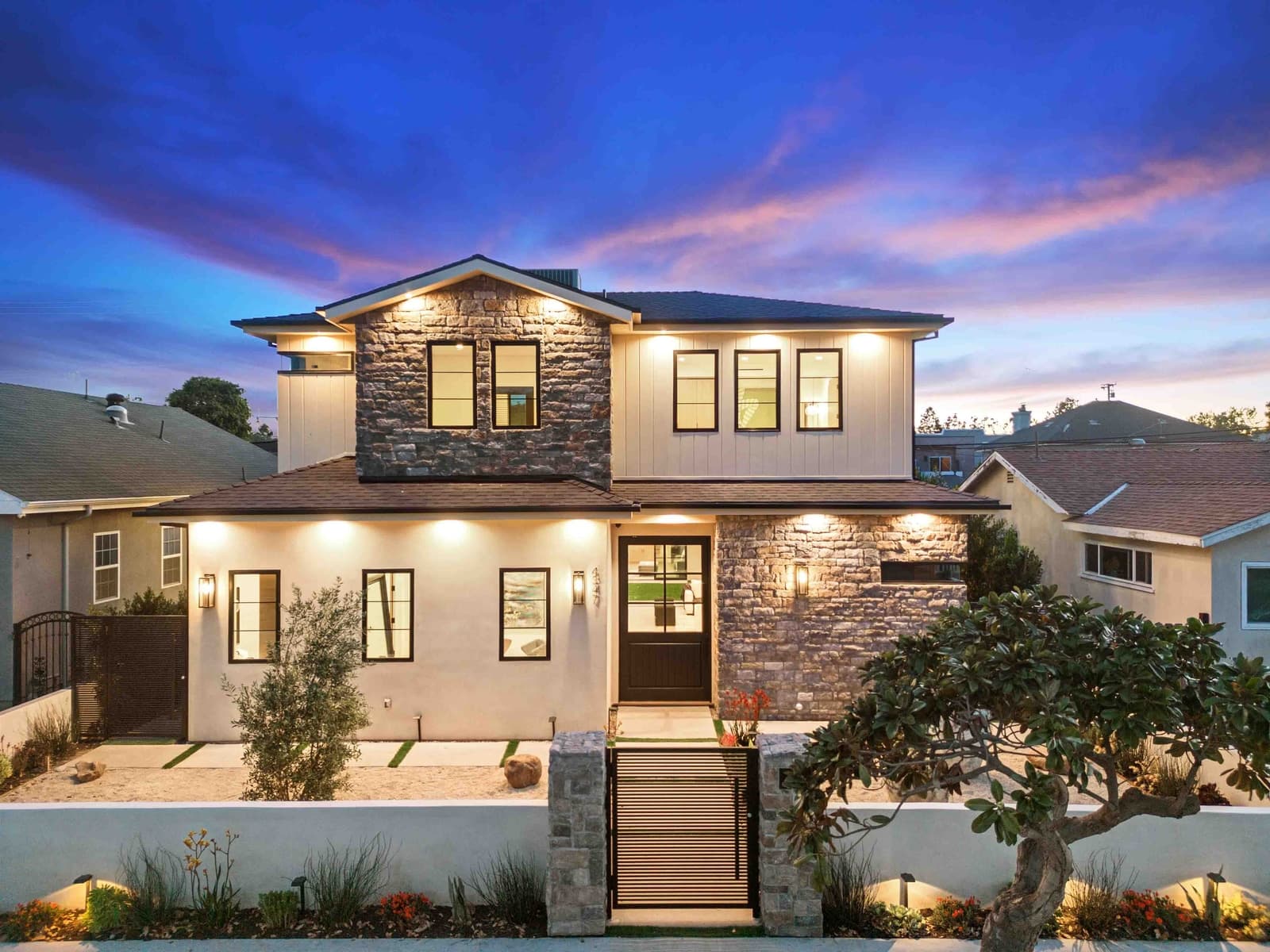
On a Bird Streets shoot, aerial coverage is close to mandatory. The lots are narrow and stacked into a hillside, so ground-level photography alone can't show a buyer what they actually need to see: how the home sits above the city, how private the lot really is from the neighbors, and how the view opens up as the drone climbs past the roofline.
A single establishing aerial at twilight, pulling back to reveal the home's silhouette against a lit-up basin, routinely does more selling than a dozen interior stills. It answers the buyer's real question in one frame: is this actually the view I think it is? See our full aerial & drone service for how we sequence a hillside shoot day to catch both the daytime and twilight windows in one visit.
How do you shoot the indoor-outdoor flow without losing the view?
Compose every interior shot from behind the furniture line, angled toward the glass, so the room and the view share the frame instead of competing for it. The instinct in a smaller room is to shoot from the doorway and grab the whole space, but in a view home that puts the camera's back to the best asset in the house. Shoot toward the window wall first. Then grab the safe, standard wide shot second.
Staging matters here too, in a specific way: 83% of buyers' agents say staging makes it easier for buyers to picture living somewhere, per NAR 2025.NAR 2025 · Home Staging In a Bird Streets home, that means keeping furniture low-profile and pulled back from the glass. Nothing should sit between the buyer's eye and the skyline. One well-placed chair facing the view sells the lifestyle better than a fully furnished room that blocks it.
Does a Bird Streets listing need a 3D tour and video, or just photos?
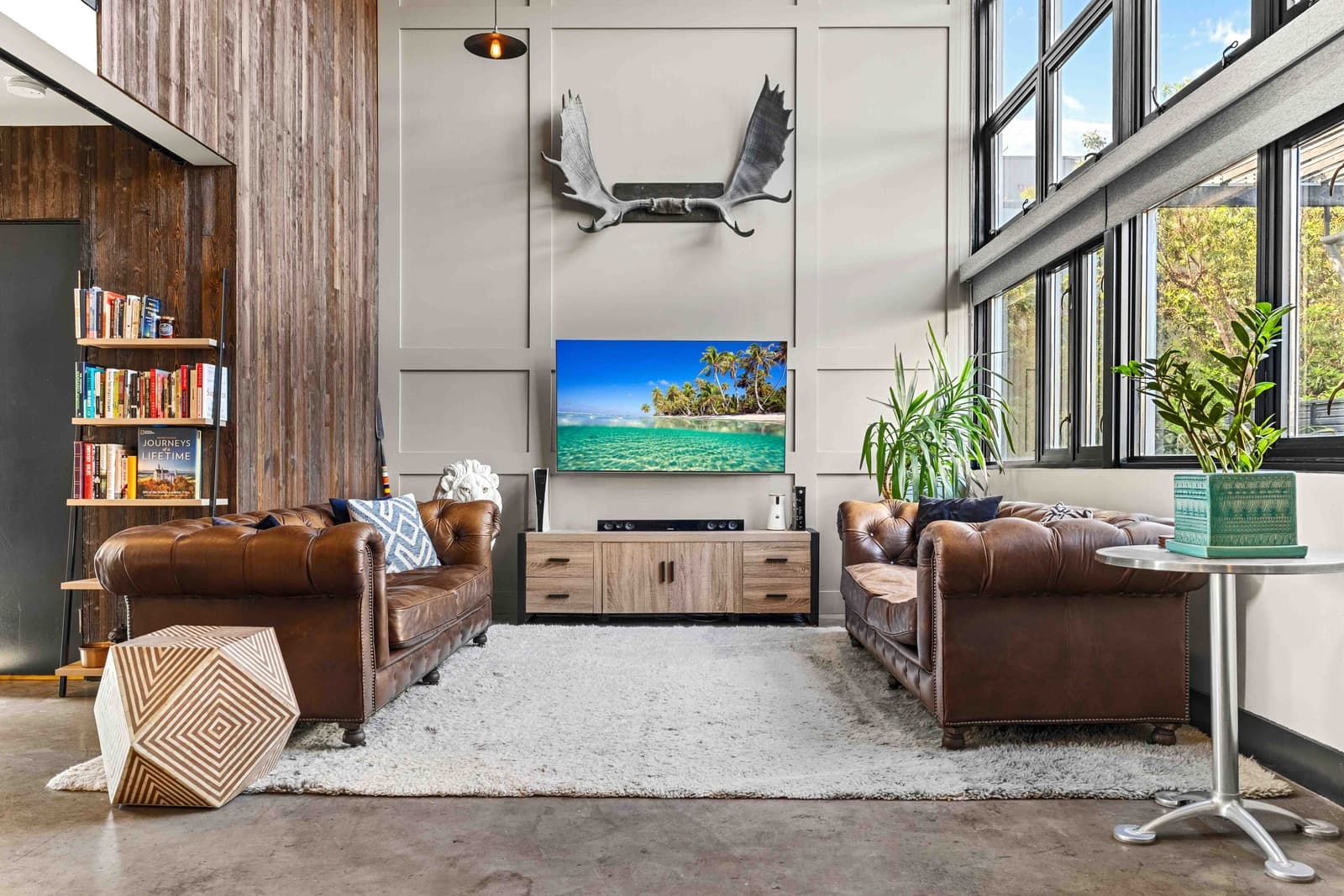
Photos and a twilight aerial are the non-negotiable baseline. Video and a 3D tour earn their cost fast on anything in this price tier, and it comes down to who's buying. Bird Streets and Hollywood Hills view homes routinely draw out-of-state, relocating, or badly time-crunched buyers who want to "walk" the home remotely before they ever book a flight to see it in person. A 3D tour lets a buyer walk every room at any hour, so the ones who do book a showing arrive already familiar with the home, already picturing themselves living in it.
Video adds a different edge. A cinematic walkthrough that opens on the twilight aerial and moves through the glass wall into the living space tells the lifestyle story in a way stills can't. It's also the piece an agent can use to win the next Hollywood Hills listing pitch, since only about 1 in 5 agents market with listing video. In a competitive pocket like this one, that's a real point of difference.NAR
Compare exactly how photo, video and 3D each earn their place in our photo vs. video vs. 3D tour guide.
What does this kind of shoot cost, and can it happen in one visit?
Standard LA photo packages typically run about $150–$400. Full media bundles that fold in photo, twilight, drone, video and 3D together price higher, based on square footage and the services selected.LA market context, not a VVT price Because Virtual View Tours shoots everything in one scheduled visit, the daytime stills, golden-hour exterior, twilight hero shot, drone aerial, and any video or 3D coverage all happen on the same day with the same crew. There's no second appointment to coordinate around a narrow twilight window.
See full Beverly Hills-area service coverage on the Beverly Hills area page, or enter the listing address on our booking page for an exact package and price.
Frequently asked questions
What's the single most important shot for a Bird Streets or Hollywood Hills view listing?
The true twilight shot, taken in the 15 to 20 minutes after sunset when the sky still holds color and the city lights are on. It's the frame that proves the jetliner view, and it usually becomes the listing's cover photo and lead ad image.
Is a twilight shoot really worth scheduling around a narrow time window?
Yes. Shoot too early and the sky is too bright to show city lights. Shoot too late and you lose the color gradient that makes the shot look cinematic. Because Virtual View Tours shoots the full package (day, golden hour, and twilight) in one visit, we plan the day around that narrow window instead of booking a separate trip.
Do view homes in the Hollywood Hills need drone footage?
Almost always, yes. These lots are narrow and stacked into a hillside, so ground-level photography alone can't show how the home sits above the city or how private the lot actually is. A single aerial establishing shot, especially at twilight, usually does more selling than several interior stills combined.
Should I stage a view home, or leave rooms empty to keep focus on the view?
Light, low-profile staging pulled back from the glass performs best. Staging measurably helps buyers picture living somewhere, and 83% of buyers' agents say it makes that easier, per NAR 2025.NAR 2025 · Home Staging Furniture that blocks the sightline to the view, though, works against the home's biggest selling point.
What does a full Bird Streets-style media package cost?
Standard LA photo packages typically run about $150–$400. Full media bundles that add twilight, drone, video and 3D price higher, based on square footage and the services selected.LA market context, not a VVT price Enter the listing address on our booking page and book your shoot online in minutes.
Built for view listings
Get the twilight-and-drone package built for your hillside listing.
Tell us the address and we'll plan the shoot day around the light your view actually needs: day, golden hour, and true twilight, all in one visit.
Book your LA shoot →