
Listing Prep & Staging
Listing prep & staging: the complete LA guide for agents
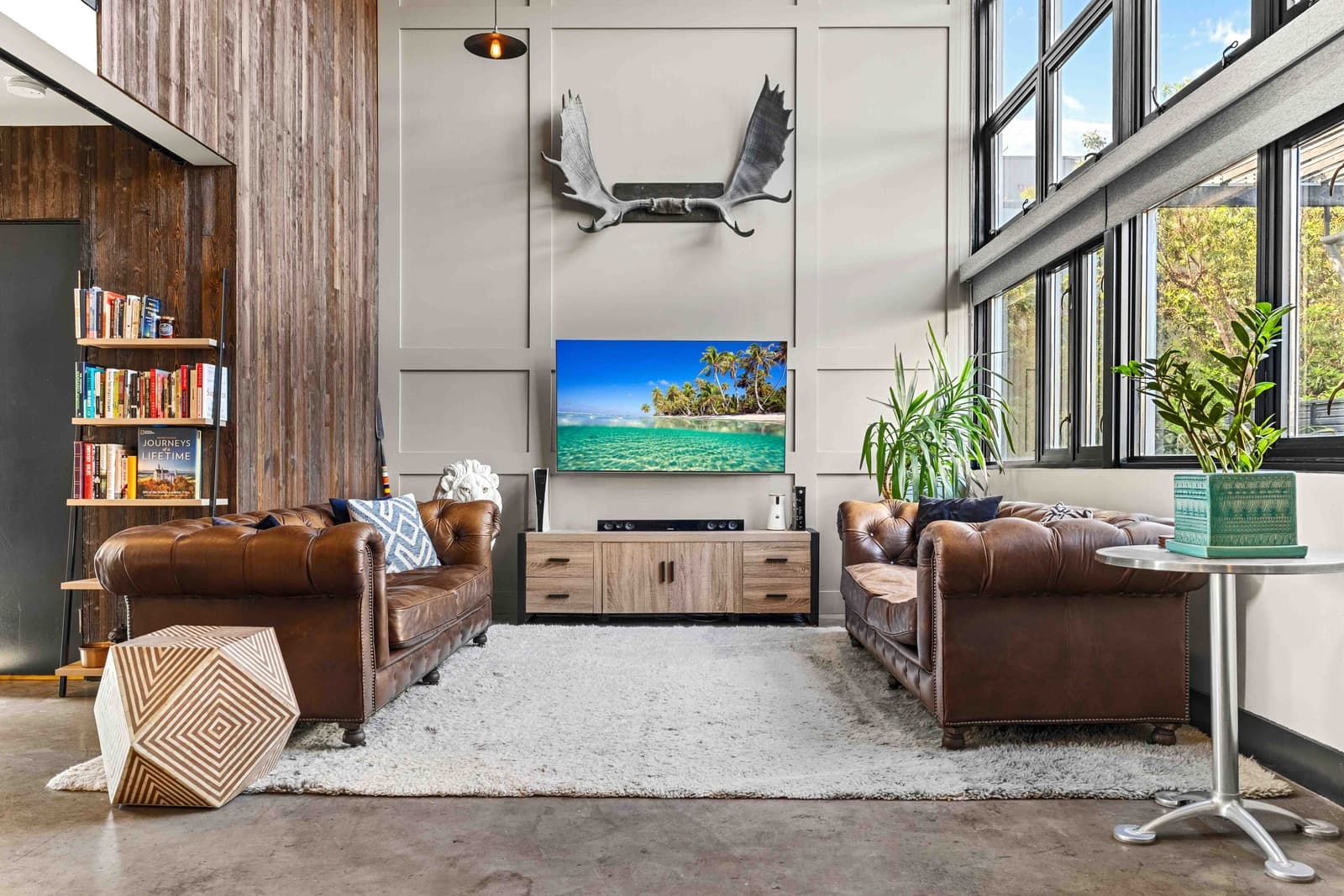
Prepping a listing for the camera comes down to three moves, in order. Declutter and depersonalize every room. Get as much natural light in as you can. Then decide whether the home needs staging before you shoot. Empty or heavily worn rooms almost always benefit from it (83% of buyers' agents say staging makes it easier for buyers to picture themselves living in a home NAR 2025 · INDEPENDENT), and today that means picking between real furniture and disclosed virtual staging based on budget, timeline, and how the home will show in person. Do the two-hour prep pass below, make the staging call room by room, and the shoot itself takes care of the rest.
Why does listing prep matter more than the camera?
Because no lens fixes a cluttered counter or a dark room. What decides how a listing photographs is what's in the frame before the shutter clicks, not the gear. Agents who spend an hour walking the property with a stager's eye get galleries that need no excuses.
And this is a money question as much as a taste one. Professionally photographed homes sold for $3,400–$11,200 more and roughly three weeks faster than comparable listings Redfin 2013 · INDEPENDENT. That's an association, not a guarantee, and it assumes the room was ready to shoot. Walk a great photographer into a cluttered one and they'll fight it the whole time, no matter what glass is on the camera. Prep clears the way.
What's the fastest listing prep checklist before a shoot?
Work room by room, in this order, and you can prep an average LA home in under two hours:
- Declutter every surface. Kitchen counters, bathroom vanities, nightstands. Clear to bare surface plus one or two intentional objects, not zero.
- Depersonalize. Family photos, kids' artwork, and personal collections come down. Buyers need to picture their life here, not the seller's.
- Turn on every light. Lamps, overheads, accent lighting. Even on daylight shoots, extra warm light fills shadows a camera would otherwise flatten.
- Open every blind and curtain. Natural light is the single highest-leverage thing a seller controls for free.
- Pull cars out of the driveway, garage doors down (or up, if you're showcasing garage space). Decide in advance so the crew isn't guessing on shoot day.
- Hide the everyday. Trash cans, pet bowls, cords, remotes, and cleaning supplies out of frame.
- Make every bed and square every cushion. The five-minute fix with the highest visible payoff in any bedroom photo.
- Mow, edge, and clear the entry. The exterior is the first frame of most galleries, and it sets the tone for everything after.
Send this list to the seller 48 hours ahead, not the morning of. Sellers who know exactly what "ready" looks like actually deliver it. "Just tidy up" gets you a vague result every time.
How should agents prep each room differently?
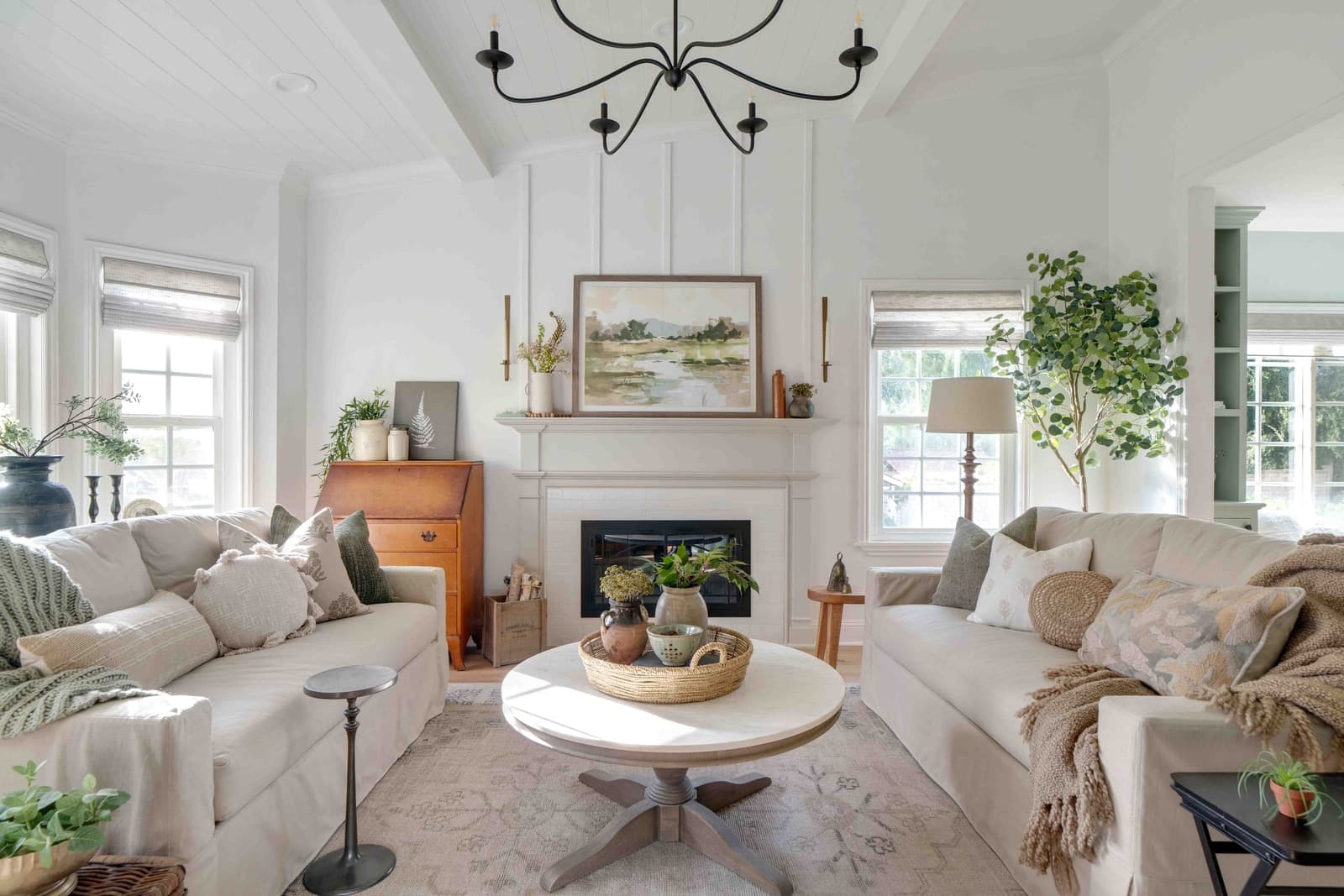
Every room has a different job in the gallery, so the priorities shift as you move through the house. Below is the room-by-room breakdown we hand sellers on every listing.
Kitchen
Clear counters down to the appliances that belong there (coffee maker, maybe a fruit bowl). Everything else goes in a cabinet. Wipe down stainless and glass, because fingerprints show up brutally under studio-style lighting. Close cabinet doors, straighten the barstools, and pull the magnets and papers off the fridge.
Living & family rooms
Square the cushions, fold the throws, and clear remotes, chargers, and stacks of mail off every surface. Vacuum the rugs so the lines show. Anything blocking a window or a natural sightline gets moved out of the way for the shoot.
Bedrooms
Hotel-tight beds, matching pillows, nightstands down to a lamp and one object. Keep closet doors closed unless the closet itself is a selling point, like a walk-in or a custom build-out. If it is, straighten it, because it's getting its own frame.
Bathrooms
Toothbrushes, razors, and personal-care clutter out of sight. Fresh towels, folded the same way, on every rack. Toilet lids down. Mirrors and glass streak-free. This is the room where a little mess reads the loudest.
Exterior & curb appeal
Coil the hoses, put away toys and yard tools, sweep the walkway, and clear the driveway of anything that isn't the home itself. For a twilight shoot, confirm the exterior and landscape lighting works and sits on a timer or a switch the crew can reach.
What are the most common listing prep mistakes agents see?
The same handful of mistakes show up on nearly every unprepped listing, and a checklist plus a 48-hour heads-up to the seller heads off all of them.
- Shooting with blinds closed "for privacy." Natural light is free staging. Closed blinds are the most common reason an otherwise nice room photographs dark and small.
- Leaving personal photos and religious or political items up. Buyers need to project themselves into the home. A wall of family portraits pulls their attention back to the seller's life instead.
- Forgetting pets and pet gear. Litter boxes, food bowls, leashes, and beds are easy to miss because the seller stopped noticing them ages ago. A fresh set of eyes should do a final walk-through.
- Half-finished decluttering. Clearing the kitchen counter but leaving the pantry door open onto a mess undercuts the whole effort. Prep every space a wide-angle lens can see, reflections in mirrors and glass included.
- Assuming the seller knows what "ready" means. "Please tidy up" gets you wildly different results than a specific room-by-room list. Always send the checklist, not a vibe.
- Putting off the staging conversation until after the shoot. Deciding a room needs virtual staging once the gallery is already delivered means a second round-trip. Flag the likely candidates, like empty rooms and awkward layouts, before the crew ever arrives.
Which rooms need staging most?
Not every empty room is equally urgent. These are the rooms where staging (physical or virtual) tends to pay off most, in order:
- Living room. Usually the largest, most-photographed room, and the hardest for buyers to judge scale in when it's empty. Furniture placement anchors the whole space.
- Primary bedroom. An empty primary reads generic. A staged one tells the buyer "this is where you'll actually live."
- Dining area, especially open-concept. Buyers struggle to tell whether an open-plan space fits a real dining table until they see one in it.
- Awkward or ambiguous rooms. A room that could be an office, a nursery, or a gym gains a lot from staging that answers the silent question every buyer is asking: what is this room for?
- Secondary bedrooms. Lower priority. Buyers usually extrapolate from the primary and the living room, so this is often the first thing budget or timeline trims when staging every room isn't realistic.
If budget or turnaround only covers a few rooms, this order is a safe default. Lead with the rooms buyers linger on longest online.
Does staging help, or is it optional?
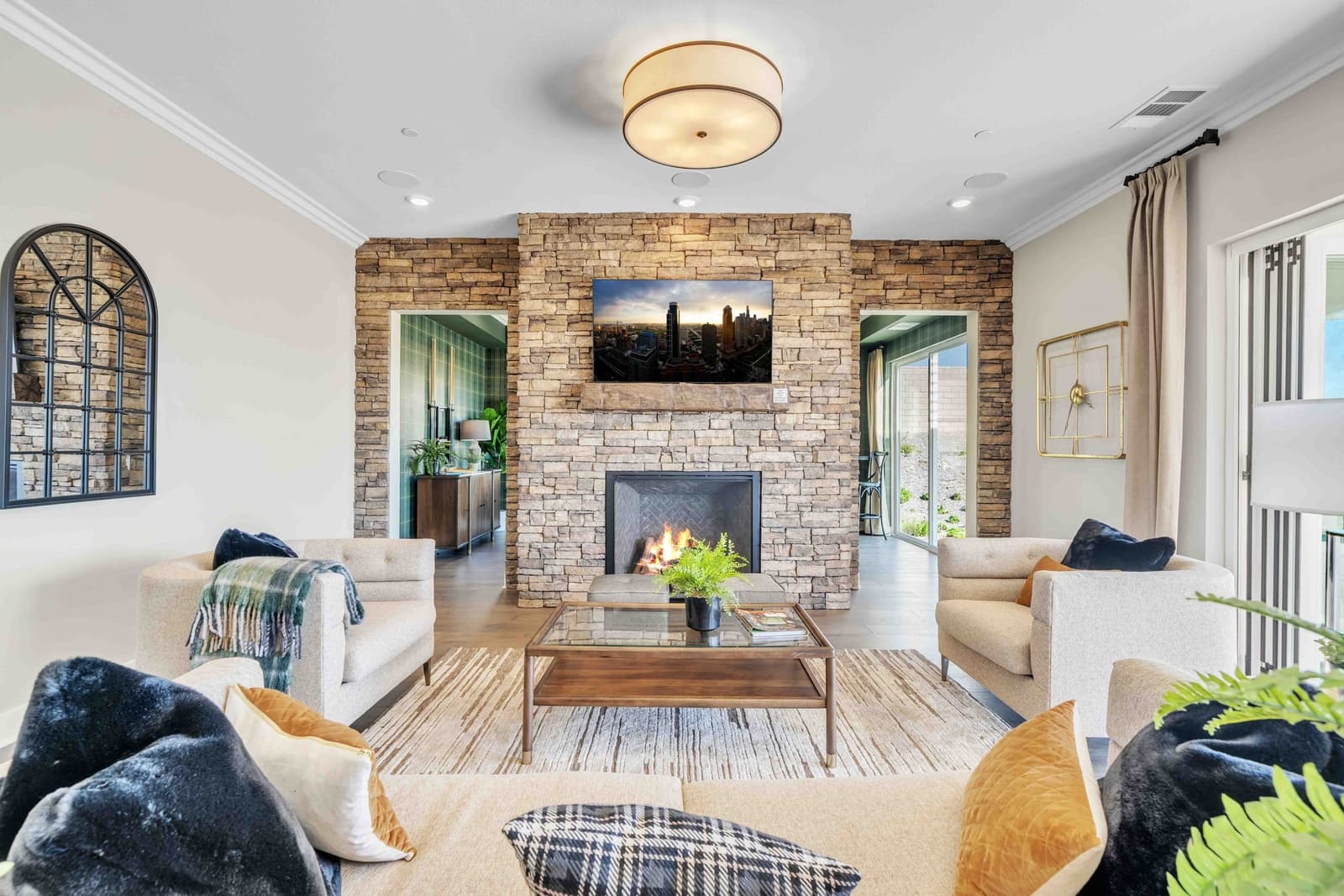
It helps enough that most buyers' agents treat it as close to standard practice. 83% of them say staging makes it easier for buyers to visualize a property as their future home NAR 2025 · INDEPENDENT, which is the whole point of a listing photo. An empty room can be technically fine and still fall flat. A staged room gives the buyer's imagination somewhere to land.
That said, staging isn't always required. A warm, furnished, well-kept home doesn't need it. The rooms that need a decision are the empty ones, the awkwardly shaped ones, or the ones with a single obvious flaw that furniture solves better than any camera angle can. Think a room that reads "too small" for its labeled purpose, or an oddly angled corner.
Physical staging vs. virtual staging: which one, and when?
This is the real decision point for most agents. It comes down to timeline, budget, and whether the home will actually be shown in person while it's vacant.
| Factor | Physical staging | Virtual staging |
|---|---|---|
| Cost | Highest. Furniture rental, delivery, styling labor, teardown | Lowest. A per-image digital service fee |
| Turnaround | Days to weeks to source, deliver, and style | Next-day, matched to your media delivery |
| Works for in-person showings | Yes. Buyers walk through furnished rooms | No. The home is still vacant in person |
| Best fit | Occupied-feel is critical, longer time on market expected, or the seller wants showings staged too | Vacant listing, tight timeline, or a seller unwilling to pay for physical staging |
| Disclosure | None needed. It's real furniture | Must be clearly disclosed as digitally staged |
Done right, virtual staging shows a buyer what a room can be. It never hides what's there. Every virtually staged image VVT delivers is clearly disclosed as AI-enhanced, and the vacant walkthrough will always look vacant. If a buyer needs to feel the furnished version of the home in person before they'll make an offer, that's a physical-staging conversation with the seller, not a photo-editing one. But if you just want to give online buyers a sense of scale and function before they walk in, virtual staging does that job for a fraction of the cost and on your shoot's timeline.
When should prep and staging happen relative to the shoot?
Lock the staging decision before you book the shoot, not after. If a room is getting physical furniture, that furniture has to be in place and styled before the crew arrives. Schedule the shoot around the staging delivery, not the other way around, and you avoid the costly scenario of paying for a shoot twice.
Virtual staging drops that scheduling dependency entirely, which is one of its biggest practical wins. The crew shoots the vacant room exactly as it sits, and the staging happens digitally afterward, on the same delivery timeline as the rest of the gallery. It's also why it pairs so well with tight listings. A seller who decides late that a room needs staging isn't stuck rebooking a shoot.
One more timing note. Once a listing is live, most MLS systems and buyer expectations treat photo updates as a "relist," and buyers who've already seen the original gallery will clock it if furniture appears out of nowhere between showings. Make the staging call before the first photo goes live, so the gallery a buyer sees stays consistent from day one.
What should agents tell sellers who resist prepping?
Frame it as protecting their own outcome, not busywork you're piling on. Most sellers push back because "clean up before strangers photograph my house" feels like an inconvenience, not a financial decision. So reframe it. Professionally prepped, photographed homes sold for thousands more and weeks faster than comparable listings that weren't Redfin 2013 · INDEPENDENT. Prep is the free half of that equation, and it's entirely in the seller's hands.
The second lever is timing. Nearly every buyer starts their search online, and photos are the listing feature they rely on most NAR 2024 · INDEPENDENT, which tells you most buyers form their first (and sometimes only) impression of a listing before anyone talks to an agent. A cluttered, dim gallery is up against staged, well-lit listings in the same search results. Sellers who get that tend to prep without much more convincing.
How much should staging cost relative to the rest of the marketing budget?
We won't publish a universal number here. Staging costs swing with the market, the furniture source, and how many rooms are involved, and physical staging quotes should always come straight from a stager. What stays consistent is the shape of the trade-off. Virtual staging is priced and delivered per image, on the same clock as your photo and video delivery. Physical staging involves rental, delivery, and styling costs that scale with how long the furniture sits in the home.
For context on the media side of the budget, standard real-estate photo packages in the LA market typically run about $150–$400, with full media bundles (photo, video, drone, 3D) priced higher depending on square footage and services. Staging, physical or virtual, is a decision layered on top of that media budget, not a swap for it. A beautifully staged room still has to be lit and shot well to pay off.
How does this connect to the shoot itself?
Prep and staging set the ceiling. The shoot decides how close you get to it. A perfectly prepped, thoughtfully staged home still has to be shot at the right lens height, at the right time of day, in the right sequence of rooms. That's exactly what our pre-shoot checklist walks through, from what to send the seller 48 hours out to what the crew needs on arrival.
On the staging side, if you're weighing physical against virtual for a specific room or listing, our virtual staging page breaks down turnaround, pricing shape, and exactly what a disclosed virtual staging deliverable looks like. And if the real question is whether professional photography will move this listing at all, the data and the reasoning live on our photography page.
Frequently asked questions
How long does listing prep take before a photo shoot?
For an average LA home, a focused declutter-and-light pass takes about one to two hours per room group (kitchen, living areas, bedrooms, bathrooms). What actually gets a home ready on time is a room-by-room checklist sent to the seller 48 hours out, not a vague "tidy up" request the morning of.
Should I stage an occupied home or only vacant listings?
Occupied homes usually need editing more than staging: decluttering, depersonalizing, and light. Staging (physical or virtual) earns its place mainly in vacant or awkwardly proportioned rooms, where 83% of buyers' agents say it helps buyers picture themselves living there NAR 2025 · INDEPENDENT. A warm, well-kept occupied home rarely needs added furniture.
Is virtual staging disclosed to buyers?
Yes, always. Every virtually staged image should be clearly labeled as digitally enhanced. It shows scale and function online. It doesn't stand in for what a buyer will see walking through a still-vacant home in person.
What's the single highest-impact prep task if I only have 30 minutes?
Turn on every light and open every blind, then clear kitchen and bathroom counters. Light and clutter are the two things that show up most obviously in a photo and take the least time to fix.
Does staging actually change how fast or high a home sells?
There's no independent stat tying staging directly to a specific sale-price or speed number, so we won't invent one. The mechanism, though, is well documented. 83% of buyers' agents say staging helps buyers visualize living in a home NAR 2025 · INDEPENDENT, and that easier visualization is the same driver behind homes that show and sell well. Pair it with professional photography, which on its own is tied to selling for $3,400–$11,200 more and about three weeks faster Redfin 2013 · INDEPENDENT.
Ready to shoot?
Prep the home. We'll handle the rest, delivered in under 24 hours.
Send us the address, tell us if any rooms need virtual staging, and we'll build the right package for the listing. Photo, video, drone, and 3D. One visit, one team.
Book your LA shoot →